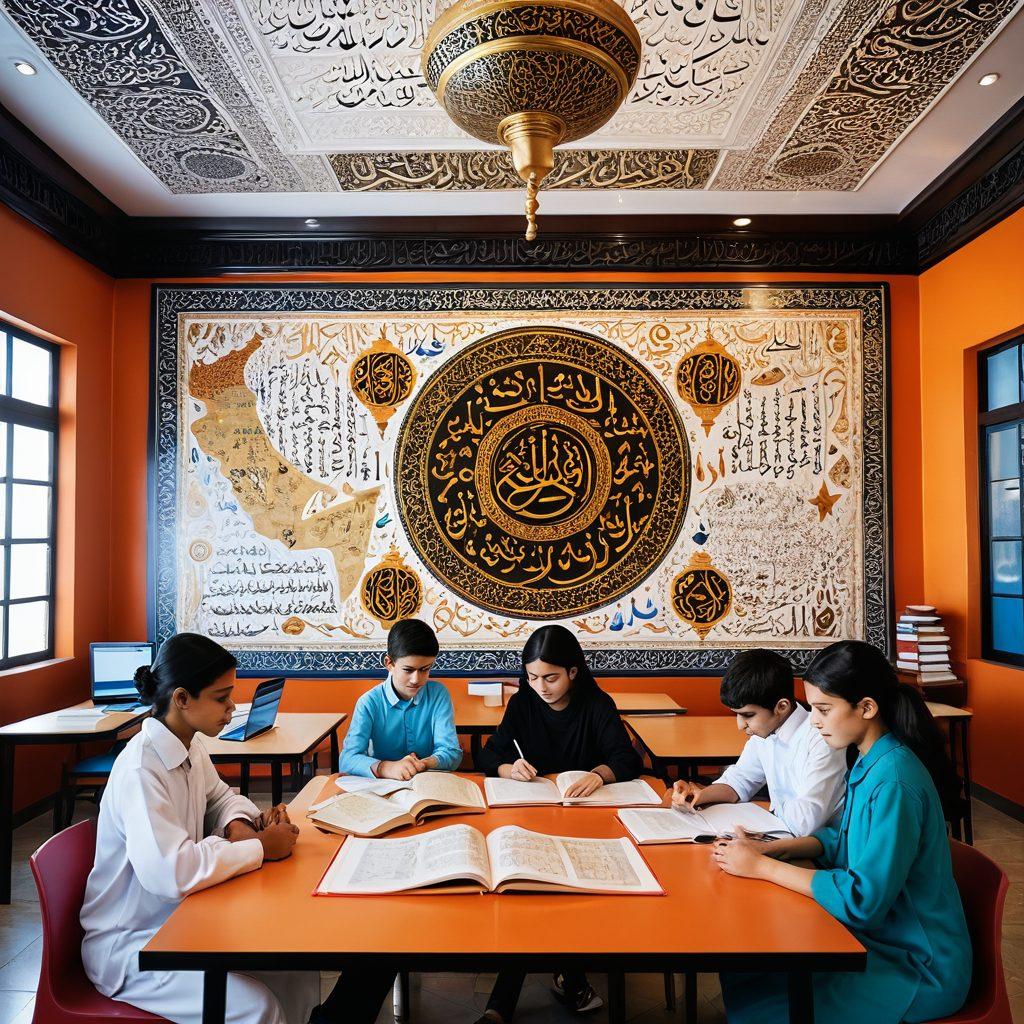
Unlocking the Secrets of Arabic: Mastering Syntax, Vocabulary, and Culture Online
Have you ever thought of embarking on a journey that leads not just to a new language, but to a rich tapestry of culture and history? Learning Arabic is akin to unlocking an ancient treasure chest filled with jewels of syntax, vocabulary, and intriguing dialects. Arabic syntax is not merely a set of rules; it’s a living, breathing framework that reflects the nuances of Arab culture and thought. With so many languages having roots in Arabic, learning this language online can truly open your eyes to the depth of linguistic studies and the beauty of Arabic literature.
Navigating the complexities of Arabic sentence structure might feel overwhelming at first. Imagine trying to put a puzzle together, where each piece has its unique shape. But don’t let that intimidate you! Each element of Arabic syntax plays a crucial role in the overall meaning of a sentence. For instance, did you know that the verb usually comes first in a standard sentence? This structure can flip your understanding of sentence construction upside down, creating an intriguing challenge. Have you ever come across an Arabic phrase and been struck by its poetic rhythm? That’s often a result of its unique syntax!
As you dive deeper into Arabic education, you'll encounter a myriad of Arabic dialects, each with its own flavor and rules. Understanding these dialects is essential for mastering the language because it shapes how you communicate and connect with native speakers. But fear not! With a range of Arabic language courses available online, you can learn Arabic at your own pace, transforming what might seem daunting into a fascinating adventure. How liberating it is to express yourself in a different language, isn't it? Every practice session brings you one step closer to language proficiency.
Now, let’s talk about vocabulary. Arabic vocabulary is rich and often layered with historical significance. For instance, each word often carries etymological roots that tell a story of its own. Looking up the origin of a word can reveal the perspectives and values of Arabic culture. This exploration can enhance your understanding of the language tremendously! Incorporating grammar exercises into your learning regimen is crucial—not just to memorize but to internalize these words and phrases so that they become second nature. What if I told you that the more you practice, the more you’ll sound like a native speaker?
Lastly, perfecting your Arabic pronunciation is key. Sounding authentic can make your conversations more engaging and enjoyable. Consider yourself an artist, where each word is a brushstroke on the canvas of Arabic conversation. New learners often wonder how to approach this with minimal frustration—my advice is to listen closely to native speakers, mimic their tone, and don’t shy away from making mistakes! Language acquisition is a process, filled with highs and lows, and the journey itself becomes a beautiful part of your story in mastering Arabic. As you delve deeper into this rich language, remember: each word you learn is a bridge to a world of ideas, cultures, and friendships. What new world awaits you?
Expanding Your Horizons: Mastering Arabic Vocabulary and Dialects Online
In an increasingly interconnected world, mastering a language is like unlocking a treasure chest full of vibrant cultures and fascinating narratives. Arabic, one of the most widely spoken languages in the world, offers a rich tapestry of history, art, and philosophical thought. But let's ask ourselves: have you ever felt overwhelmed by the sheer diversity of Arabic vocabulary, dialects, and syntax? If you're on a quest to learn Arabic online, understanding these elements is not just beneficial; it's essential! With the right approach, you can expand your horizons and connect with millions of speakers worldwide.
Embarking on the journey of Arabic language acquisition requires more than just memorizing vocabulary; it involves immersing yourself in the rhythm of Arabic syntax and mastering its pronunciation nuances. Imagine sitting in a cozy café, discussing the latest Arabic literature with a friend—your skillful use of Arabic syntax and vocabulary prompting unexpected compliments. The beauty of language lies in its ability to weave people together, and when you study Arabic, you embark on that wondrous journey toward connection. Online Arabic language courses simplify this process with structured guidance and resources tailored to your needs, allowing you to conquer the complexity of Arabic sentence structure with ease.
One of the most enticing aspects of learning Arabic is the variation between its dialects. From the lyrical sounds of Egyptian Arabic to the rich expressions of Levantine dialects, each offers a unique lens into the vibrant Arabic culture. Have you ever wondered why certain phrases in one dialect might have different meanings in another? By delving into the intricacies of Arabic etymology and dialectal trends, you not only enhance your language proficiency but also gain insight into the sociocultural context that shapes these variations. Don't shy away from leveraging online resources to explore these nuances—each dialect you grasp gives you another tool to create connections in the Arab world.
In our modern age, the methods of learning have evolved, and so has the accessibility of linguistics studies. Grammar exercises and pronunciation practice are just a click away, making it easier for anyone to learn Arabic online. Picture yourself navigating through interactive quizzes or engaging in conversation practice with a native speaker. This dynamic form of study allows you to apply what you've learned in real-time, reinforcing your skills while simultaneously broadening your understanding of Arabic culture. Have you discovered your preferred learning style yet? Whether you thrive in collaborative environments or prefer solitary study, there are endless options available to suit your needs.
As you embark on this enchanting journey of mastering Arabic vocabulary and dialects, remember the power of storytelling. Every word you learn carries with it a story—a narrative that transcends generations. How does your relationship with language shape your experience? What stories are waiting to be told in a language that is rich and profound? Allow your curiosity to drive your exploration, and don't hesitate to dive into the insights offered by platforms focused on Arabic education. With determination and the right resources, you can master the beauty of this language and emerge with newfound confidence and cultural appreciation.
Cultural Contexts: The Intersection of Arabic Literature and Language Proficiency
When embarking on the journey to learn Arabic online, many students often find themselves asking, "What makes this language truly special?" Well, it's not just about Arabic syntax and vocabulary; it's about the rich tapestry of Arabic culture and literature woven throughout its history. This fascinating intersection between language and literature is the key to mastering Arabic and achieving true language proficiency. By delving into the cultural contexts surrounding Arabic literature, learners can enhance their understanding of Arabic sentence structure and pronunciation, making the language come alive in vibrant ways. Imagine being able to recite verses from famed poets or have meaningful conversations about historical texts — how exciting is that?
Arabic literature serves as a powerful tool for language acquisition and exposes learners to the nuances of different Arabic dialects. For instance, the profound works of writers like Naguib Mahfouz or Khalil Gibran are characterized by their unique use of Arabic grammar and etymology, illustrating how the language has evolved over centuries. This isn't just reading; it's an invitation to immerse oneself in the context of each word chosen by these literary giants, leaving you wondering: How does the cultural backdrop informed their expression? What can I learn about Arabic culture through their narratives? When you explore literature, you not only understand the language — you also appreciate the people and traditions behind it.
Studying Arabic beyond solely linguistic studies can enrich one's learning experience significantly. Consider this: when you pick an Arabic language course that incorporates cultural elements, each lesson becomes an exploration. You engage with the language through engaging stories, proverbs, and real-life scenarios, deepening your connection with the material. Imagine practicing your vocabulary while discussing a specific cultural custom or analyzing a piece of poetry. Don't just memorize vocabulary — use it! Try to engage in conversations about everyday life in an Arabic-speaking country. This approach not only solidifies your knowledge of Arabic syntax but also allows you to apply what you learn in ways that feel relevant and authentic.
One cannot overlook the impact of grammar exercises and activities specifically designed to bridge the gap between language and literature. For instance, deciphering the poetry of Al-Mutanabbi while simultaneously breaking down its complex syntax allows you to appreciate the beauty of the Arabic language. Each exercise challenges you to refine your understanding of Arabic sentence structure. Have you ever tried to recite a poem and felt the rhythm flow? That's the magic that happens when language meets culture. It transforms learning into an art form, making it more rewarding and memorable.
Finally, Arabic education transcends the classroom. It's about the community, the shared stories, and the discussions that inspire deeper connections. As learners, participating in forums, book clubs, or culture exchange programs can further enhance your understanding of both Arabic language and its literature. As you engage with fellow Arabic learners, ask yourself: What stories resonate with you? How does sharing experiences elevate your language proficiency? By nurturing this dialogue, you contribute to a broader understanding of Arabic culture, while personally enriching your journey of mastering the language. So, are you ready to dive deeper into the world of Arabic literature and witness its profound influence on language?